
 ABOUT US
 COACHES
 IN THE MEDIA
 GROUP COACHING
 1-1 COACHING
 ELITE MENTORING
 WORKSHOPS
 PRICING
 ARTICLES
 PODCAST
 BOOK
BOOK SORCI REPORT 2026
 EVENTS
 LEVELS
 ALL RESOURCES
 CONTACT US
 FAQS
FAQS PARTNER
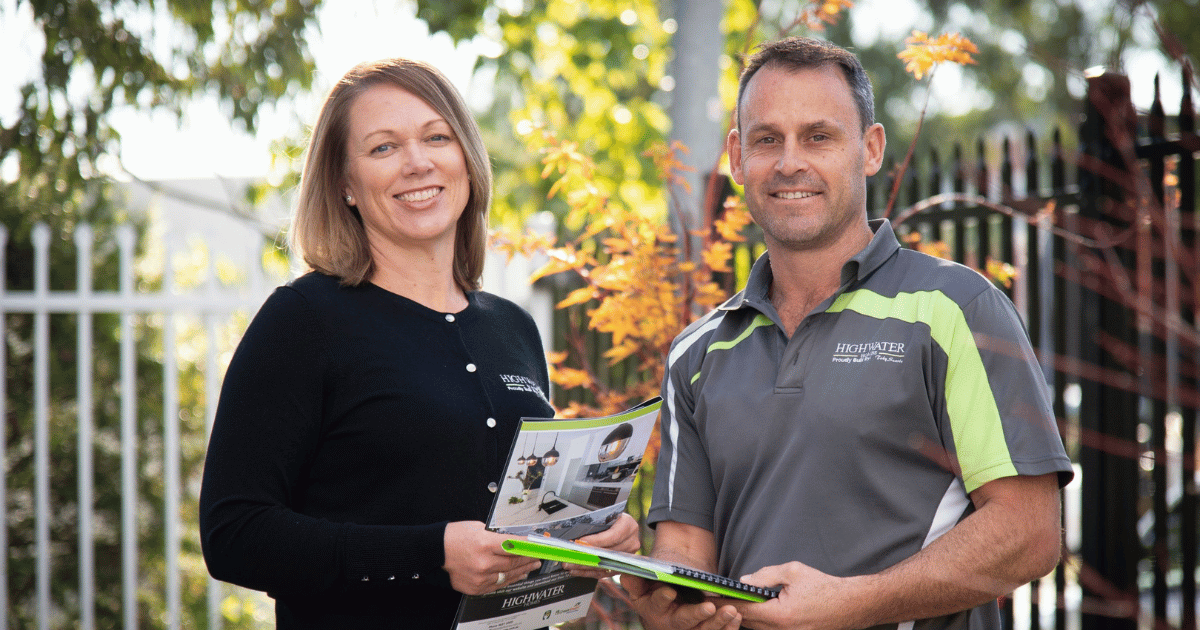
Toby and Elizabeth Searle run Highwater Homes in Camden, an hour west of Sydney, in an area called the Macarthur.
In their APB case study, they describe what that area looks like from a builder's point of view.
It’s one of the fastest-growing belts in the country at the moment, with new land releases.
New land brings work, and it brings builders...
Toby spoke about the competition in that area.
I wanted to create a little business within a niche market of custom builds, medium to high-end because I realised that in our area, being so highly developed, there were a lot of other builders there, too. They were all quantity builders and I didn’t want to become one of those guys relying on building 100 or 200 homes a year.
So Highwater built the kind of company they don't run...
Then it used marketing to stop clients comparing the two on price alone.
How Can A Small Custom Builder Compete With Volume Builders?
A small custom builder competes with volume builders by choosing work they don't offer. Narrow your company to custom homes at the level you build best, stay at a size where you can guide every client through the build yourself, and use your marketing to show clients that value before they compare quotes. Price still comes up, but it's no longer the only thing the client weighs.
Highwater didn't start there. Toby and Elizabeth say that the company began by taking whatever came in.
When we first started, we found ourselves trying to be a jack-of-all-trades, doing some renovations, some small carports, pergolas and a few new homes.
Toby's strength was already clear from his trade.
I came through my trade as a carpenter and I was working with builders on new homes, so that’s where I felt my strengths were, with new homes.
After starting with APB, they realised they had to carve out a niche, and they chose new homes, which they say suited their area perfectly. If you haven't picked a niche yet, our article on how to establish your building company's niche covers where to start.
Why Does Staying Small Help Against Volume Builders?
A builder working at 100 or 200 homes a year can't give every client the owner's attention. Highwater chose a size where it can, and the case study says so directly.
We wanted to stay small, very family-focused, for us but also for our clients.
They tie that size directly to the service.
We wanted to do a certain number of homes per year and specialise in custom builds, where the clients get value from building with us. We can guide them through the process and make it enjoyable; I think that’s very important.
A client can't get the builder guiding them through the process from a company building 200 homes a year. None of that shows on a quote, though, and a client checking prices sees the quote first.
Can You Charge More When Clients Are Checking Prices?
Toby addressed that objection himself. He writes that putting up your margins sounds easy, until you ask how you'll actually win contracts at those margins with so much competition around and so many clients checking prices.
His answer sits in Highwater's marketing, well before any quote goes out.
I think that comes back to what we’ve been taught by APB about all the marketing strategies that we utilise: Facebook adverts, autoresponders on the CRM and email campaigns.
A CRM is the software that holds your enquiries and contacts. An autoresponder is an email it sends automatically, so a new enquiry starts hearing from the company before anyone has picked up the phone. If you're setting that up, our guide to using email to advance your leads walks through it.
The case study ties that marketing to the clients who come through it.
If we educate the clients, we get the quality of clients we want. We’re getting clients coming to us who we want to build for as much as they want us to build for them.
Where Does The Price Conversation Actually Start?
The Searles start the price conversation long before the contract.
It’s good to look at the figures when we’re signing contracts, or at the end of the job, but it all starts from the very beginning, with the marketing campaigns and strategies.
Their marketing shows clients what a custom builder offers before the numbers are in front of them.
We show them what we can actually offer them, so they’re not solely focused on the price. Yes, they do have a budget that they have to keep to, but often they like to see the value that we can provide. Price is still part of the conversation, but there are so many other elements that are important.
A small custom builder can't beat a volume builder on price. At Highwater the case for paying more is made in the Facebook adverts, the autoresponders and the email campaigns, so by the time a client sees the figures they've already seen what the Searles offer that a quantity builder doesn't.
Frequently asked questions
What is a volume builder?
A volume builder, sometimes called a quantity builder, builds a large number of homes a year. Toby Searle of Highwater Homes describes the ones in his area as relying on 100 or 200 homes a year. A small custom builder can't compete with that on price, so it competes on the type of work and the service instead.
What niche should a small builder choose in a growth area?
Choose the work you're strongest at that volume builders don't offer. Highwater Homes narrowed from renovations, carports and pergolas to custom new homes at the medium to high end, which matched the new-home work Toby had done through his trade. In an area full of new land releases, new homes suited the market.
Can a small builder raise prices when clients are price-checking?
Highwater's answer is to deal with it through marketing, before the quote. Facebook adverts, CRM autoresponders and email campaigns educate clients about what the company offers, so they aren't focused only on price when the figures arrive. Price remains part of the conversation, but the client is comparing more than one number.
What marketing educates clients before they ask for a quote?
Highwater Homes uses Facebook adverts, autoresponders in its CRM and email campaigns. An autoresponder sends a new enquiry emails automatically, so the client hears from the company before the first conversation. The aim is to attract clients who want to build with you as much as you want to build for them.
In a growth area, the volume builders will usually have the lower price, so the work you choose and the marketing you run decide which clients reach you.
Book a 15-minute chat with our team and look at how your company is positioned against the builders around you.
